
How Businesses are Leveraging Intelligent Fast Charging 3C Systems for Enhanced Efficiency
How Businesses are Leveraging Intelligent Fast Charging 3C Systems for Enhanced Efficiency In an era where efficiency and sustainability are paramount, businesses are continually seeking innovative solutions to optimize their operations. One of the most significant advancements in this domain is the emergence of Intelligent Fast Charging 3C Systems. These systems are revolutionizing the way busi
Dec 19,2025
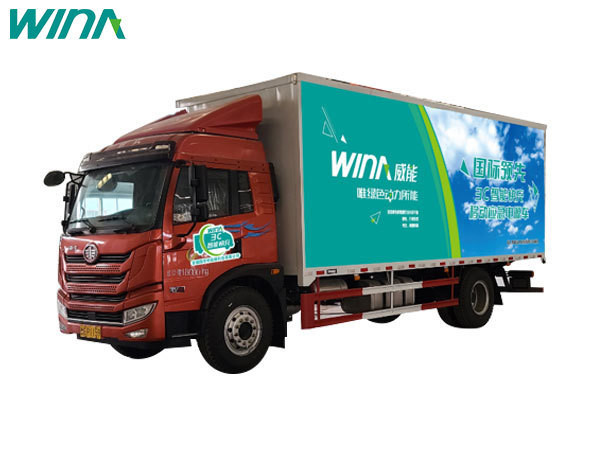
How Businesses are Leveraging Intelligent Fast Charging 3C Systems for Enhanced Efficiency
In an era where efficiency and sustainability are paramount, businesses are continually seeking innovative solutions to optimize their operations. One of the most significant advancements in this domain is the emergence of Intelligent Fast Charging 3C Systems. These systems are revolutionizing the way businesses manage their energy resources, particularly in the context of battery technology. This article delves into how enterprises are leveraging these advanced charging systems to enhance efficiency, reduce costs, and promote a sustainable future.
The Rise of Intelligent Fast Charging 3C Systems
The term “3C” stands for Communication, Control, and Charging, highlighting the integration of these three elements in modern charging solutions. As electric vehicles (EVs) and portable electronic devices proliferate, the demand for faster and more efficient charging technologies has surged. Businesses are now focusing on Intelligent Fast Charging Systems that not only charge batteries quickly but also communicate and control energy distribution effectively.
Understanding the Technology Behind 3C Systems
At the core of Intelligent Fast Charging 3C Systems lies an intricate technology that enhances charging efficiency. Key features of these systems include:
- Smart Communication: This allows the charging stations to interact with the batteries and the devices they power. By doing so, they can optimize charging rates based on battery health and current energy demand.
- Advanced Control Mechanisms: Control algorithms manage the charging process dynamically, adjusting the power output based on real-time data. This ensures optimal charging without damaging the battery.
- High Charging Speeds: These systems significantly reduce charging time, enabling quicker turnaround for essential devices and vehicles.
Benefits of Implementing Intelligent Fast Charging 3C Systems
1. Increased Operational Efficiency
Businesses that adopt Intelligent Fast Charging 3C Systems experience remarkable improvements in their operational efficiency. With faster charging times, organizations can keep devices and vehicles in service longer, minimizing downtime and maximizing productivity.
2. Cost Reduction
Investing in advanced charging technology can lead to significant cost savings. Companies reduce energy costs through optimized charging schedules, which balance energy use with demand, particularly during off-peak hours.
3. Enhanced Battery Lifespan
By utilizing communication and control features, Intelligent Fast Charging 3C Systems can extend the lifespan of batteries. Proper charging management reduces the likelihood of overcharging and overheating, thus preserving battery health.
4. Sustainability and Environmental Impact
These systems contribute to a more sustainable operational model. By enhancing energy efficiency and reducing reliance on fossil fuels, businesses can lower their carbon footprint and promote environmental sustainability.
Case Studies: Successful Implementation of 3C Systems
Electric Vehicle Fleets
Companies operating electric vehicle fleets have been at the forefront of adopting Intelligent Fast Charging 3C Systems. For instance, a logistics company implemented these systems across its fleet, resulting in a 40% reduction in charging times. This drastic improvement allowed the company to increase deliveries while lowering energy costs.
Manufacturing Facilities
In manufacturing, businesses have integrated Intelligent Fast Charging Systems to power their automated equipment. One leading manufacturer reported a 30% increase in operational efficiency after adopting 3C systems, citing reduced downtime and improved energy management as the primary factors behind this success.
Key Features to Look for in Intelligent Fast Charging 3C Systems
When considering the implementation of Intelligent Fast Charging 3C Systems, businesses should evaluate the following features:
1. Scalability
As businesses grow, their energy needs will evolve. A scalable charging system can adapt to increased demands without requiring a complete overhaul.
2. Compatibility
Choose systems that are compatible with a wide range of battery types and devices. This flexibility ensures that businesses can leverage the technology across various departments and applications.
3. User-Friendly Interfaces
User-friendly interfaces are essential for easy monitoring and management. Systems that provide clear data visualization and intuitive controls can enhance user experience and improve operational efficiency.
4. Robust Security Features
As with any digital system, security is paramount. Look for Intelligent Fast Charging 3C Systems that offer robust cybersecurity measures to protect against potential threats.
Challenges of Integrating Intelligent Fast Charging 3C Systems
Technical Limitations
While the benefits of these systems are substantial, businesses may face technical challenges during integration. Ensuring that existing infrastructure can support new technologies is crucial for a successful transition.
Initial Investment Costs
The upfront costs of implementing Intelligent Fast Charging Systems can be significant. However, businesses should view this as a long-term investment, as the cost savings and efficiency gains often outweigh the initial outlay.
Future Trends in Intelligent Fast Charging 3C Technology
Integration with Smart Grids
Looking ahead, the integration of Intelligent Fast Charging 3C Systems with smart grid technology is poised to be a game-changer. This synergy will optimize energy distribution, enhance grid stability, and further reduce costs.
Advancements in Battery Technology
Ongoing advancements in battery technology will complement Intelligent Fast Charging Systems. As batteries become more efficient and capable of faster charging rates, the technology will only become more beneficial for businesses.
Increased Adoption Across Industries
The trend toward electrification is not limited to transportation. As more industries recognize the benefits of Intelligent Fast Charging 3C Systems, adoption will likely increase across sectors, from agriculture to healthcare.
FAQs About Intelligent Fast Charging 3C Systems
1. What are Intelligent Fast Charging 3C Systems?
Intelligent Fast Charging 3C Systems integrate communication, control, and charging technologies to optimize the charging process for batteries, reducing downtime and enhancing efficiency.
2. How do these systems improve operational efficiency?
By reducing charging times and optimizing energy distribution, Intelligent Fast Charging 3C Systems keep devices and vehicles operational for longer periods, minimizing downtime.
3. Are there any environmental benefits?
Yes, these systems promote energy efficiency and reduce reliance on fossil fuels, contributing to lower carbon emissions and a smaller environmental footprint.
4. How can businesses ensure the security of their charging systems?
Investing in systems that offer robust cybersecurity measures and regularly updating security protocols can help protect against potential threats.
5. What future trends can we expect in this technology?
Future trends may include greater integration with smart grid technology, advancements in battery technology, and increased adoption across various industries.
Conclusion
Intelligent Fast Charging 3C Systems represent a significant advancement in how businesses manage energy resources and battery technology. By leveraging these systems, companies can enhance operational efficiency, reduce costs, and promote sustainability. As the technology continues to evolve, the potential for increased adoption and innovation will only grow. Embracing these advanced charging solutions today positions businesses for a more efficient and sustainable future.

Request Quote
Note: Please be sure to fill in the information accurately and keep communication open, we will get in touch with you as soon as possible