
Exploring the Advantages of High Capacity 3.2V 20Ah LiFePO4 Cells for Energy Solutions
High Capacity 3.2V 20Ah LiFePO4 cells, known for their superior energy density and safety features, are gaining popularity in various applications, especially in renewable energy systems, electric vehicles, and portable electronic devices. These lithium iron phosphate (LiFePO4) batteries stand out due to their long cycle life, thermal stability, and environmentally friendly composition, making the
Dec 16,2025
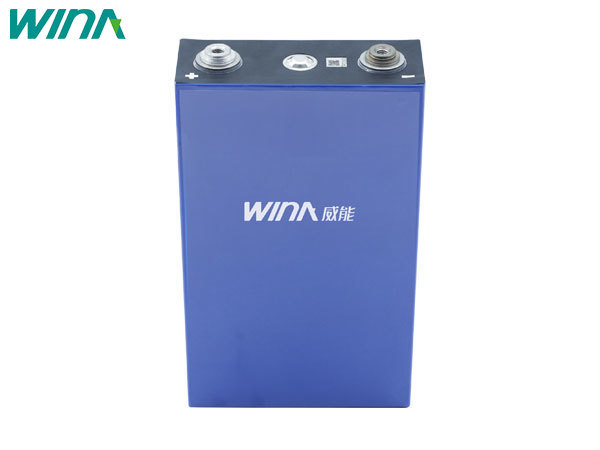
High Capacity 3.2V 20Ah LiFePO4 cells, known for their superior energy density and safety features, are gaining popularity in various applications, especially in renewable energy systems, electric vehicles, and portable electronic devices. These lithium iron phosphate (LiFePO4) batteries stand out due to their long cycle life, thermal stability, and environmentally friendly composition, making them an ideal choice for professionals seeking reliable energy storage solutions.
One of the most significant advantages of High Capacity 3.2V 20Ah LiFePO4 cells is their enhanced safety profile. Unlike other lithium-ion batteries, LiFePO4 cells are less prone to overheating and thermal runaway, significantly reducing the risk of fire and explosion. This characteristic is crucial for applications where safety is paramount, such as in electric vehicles and residential energy storage systems.
Another key advantage of these cells is their impressive cycle life. High Capacity 3.2V 20Ah LiFePO4 cells can typically endure over 2000 charge-discharge cycles without a significant drop in capacity. This longevity not only translates to reduced replacement costs over time but also enhances the overall sustainability of energy systems. For businesses and industries that require reliable and long-lasting power sources, these batteries represent a robust investment.
Furthermore, the consistent discharge rate provided by LiFePO4 cells allows for stable power delivery, making them suitable for applications that demand high performance. The flat discharge curve ensures that devices receive a reliable output voltage, which is essential for sensitive electronics and high-drain applications.
When integrating High Capacity 3.2V 20Ah LiFePO4 cells into energy systems, it is essential to consider their charging requirements. These cells typically require a specific charging algorithm to ensure optimal performance and longevity. Utilizing a dedicated LiFePO4 battery charger can maximize their efficiency and safeguard against potential charging issues.
In addition to their technical benefits, High Capacity 3.2V 20Ah LiFePO4 cells are increasingly favored for their environmental advantages. They are free from toxic heavy metals and are fully recyclable, making them a more sustainable option compared to traditional lead-acid or nickel-cadmium batteries.
In conclusion, High Capacity 3.2V 20Ah LiFePO4 cells offer a variety of advantages that cater to the needs of professionals in the electrical and energy sectors. Their safety, longevity, stable performance, and eco-friendly characteristics make them an excellent choice for numerous applications. As industries continue to prioritize efficiency and sustainability, LiFePO4 technology is set to play a crucial role in the future of energy storage solutions.
One of the most significant advantages of High Capacity 3.2V 20Ah LiFePO4 cells is their enhanced safety profile. Unlike other lithium-ion batteries, LiFePO4 cells are less prone to overheating and thermal runaway, significantly reducing the risk of fire and explosion. This characteristic is crucial for applications where safety is paramount, such as in electric vehicles and residential energy storage systems.
Another key advantage of these cells is their impressive cycle life. High Capacity 3.2V 20Ah LiFePO4 cells can typically endure over 2000 charge-discharge cycles without a significant drop in capacity. This longevity not only translates to reduced replacement costs over time but also enhances the overall sustainability of energy systems. For businesses and industries that require reliable and long-lasting power sources, these batteries represent a robust investment.
Furthermore, the consistent discharge rate provided by LiFePO4 cells allows for stable power delivery, making them suitable for applications that demand high performance. The flat discharge curve ensures that devices receive a reliable output voltage, which is essential for sensitive electronics and high-drain applications.
When integrating High Capacity 3.2V 20Ah LiFePO4 cells into energy systems, it is essential to consider their charging requirements. These cells typically require a specific charging algorithm to ensure optimal performance and longevity. Utilizing a dedicated LiFePO4 battery charger can maximize their efficiency and safeguard against potential charging issues.
In addition to their technical benefits, High Capacity 3.2V 20Ah LiFePO4 cells are increasingly favored for their environmental advantages. They are free from toxic heavy metals and are fully recyclable, making them a more sustainable option compared to traditional lead-acid or nickel-cadmium batteries.
In conclusion, High Capacity 3.2V 20Ah LiFePO4 cells offer a variety of advantages that cater to the needs of professionals in the electrical and energy sectors. Their safety, longevity, stable performance, and eco-friendly characteristics make them an excellent choice for numerous applications. As industries continue to prioritize efficiency and sustainability, LiFePO4 technology is set to play a crucial role in the future of energy storage solutions.

Request Quote
Note: Please be sure to fill in the information accurately and keep communication open, we will get in touch with you as soon as possible